The material in your Arc'teryx beanie determines everything. Warmth, breathability, durability, how it smells after a week of use, it all comes down to what Arc'teryx built it from. I've worn beanies from all three material categories, and each excels in specific conditions and falls flat in others.
Merino Wool Does One Thing Better Than Everything Else
Merino regulates temperature. That's the superpower. On a cold morning hike, it keeps you warm during the slow uphill grind, then breathes when you're sweating at the summit. The fibers trap air for insulation but wick moisture away from your scalp, so you don't get that clammy feeling that ruins cheaper wool beanies.
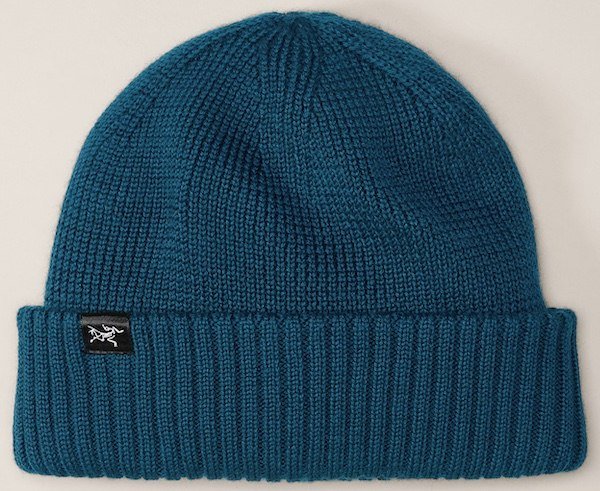
The Rho Toque proves this. It's made from merino and elastane, weighs around 31 grams, and handles sub-zero temperatures without overheating you during high-output activities. I use mine for running more than anything else. The natural odor resistance means I can wear it multiple days between washes without fumigating my gym bag.
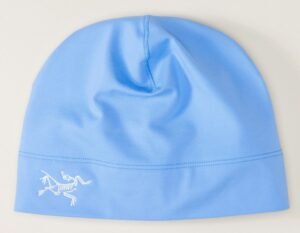
Arc'teryx sources merino from specific sheep breeds that produce exceptionally fine fibers. This eliminates the itch you get from traditional wool. The Vestigio Beanie takes this even further, 95% merino wool construction for a thin, lightweight option that works in transitional weather.
The downside? Price and care. Merino beanies cost more, take longer to dry than synthetics, and require more careful washing. They'll also pill over time with heavy use. The Classic Beanie uses a merino-acrylic blend that I've owned since 2012, and even with the acrylic helping durability, there's some pilling around the logo embroidery.
Acrylic Survives Everything
Acrylic is a synthetic polymer that mimics wool's warmth at a fraction of the cost. Arc'teryx started using it in their early 2000s lineup; the original Classic Beanie from 2003 was pure "non-itch acrylic." That design philosophy stuck.
My 2012 Classic Beanie still looks good after 13 years of regular use. That's acrylic doing its job. It holds shape, resists fading, dries fast, and handles machine washing without the anxiety of shrinking a $60 wool beanie. When you sweat through it, the material doesn't absorb moisture as cotton does—it wicks moisture away and dries quickly.
The trade-off is breathability and smell. Acrylic doesn't regulate temperature as dynamically as merino, and it traps odors after extended use. On multi-day trips, you'll notice the difference between acrylic and merino by day three.
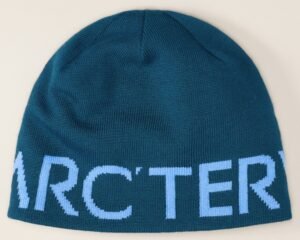
Arc'teryx often blends acrylic with merino to capture the benefits of both. The Word Head Toque runs 50/50 merino-acrylic with a polyester fleece earband. At 65 grams, it delivers warmth on slopes in sub-zero temperatures while the acrylic adds durability. The blend costs less than pure merino while maintaining decent odor resistance from the wool component.
Recycled Polyester Brings Warmth Without Guilt
Arc'teryx shifted hard toward recycled polyester in recent years. The material is made from post-consumer plastic bottles, reducing environmental impact while delivering performance on par with virgin polyester. It's warm for its weight, dries quickly, machine washes easily, and costs less than merino.
The Grotto Toque is my warmest beanie, made from 100% recycled polyester, with a bold abstract pattern and heavyweight construction at 95 grams. It handles freezing conditions without issue. The material breathes better than I expected for a full synthetic, though it doesn't match merino's temperature regulation. On long chairlift rides followed by hard runs, merino adjusts better to the output changes.
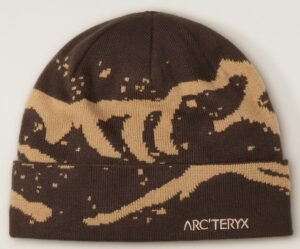
Recycled polyester retains odors more than merino but less than acrylic. The quick-drying property makes it practical for resort days where you're mixing cold outdoor riding with warm lodge breaks. The Bird Word Toque also uses 100% recycled polyester at the $60 price point, proving sustainability doesn't require a premium.
Blends Hit the Sweet Spot
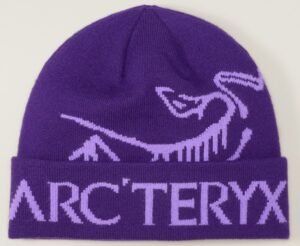
Arc'teryx blends materials to optimize performance across conditions. The Bird Head Toque exemplifies this—50% merino, 50% recycled polyester. The wool provides natural temperature regulation and next-to-skin comfort. The polyester adds durability and faster drying. The brushed microfleece band enhances softness around your ears.
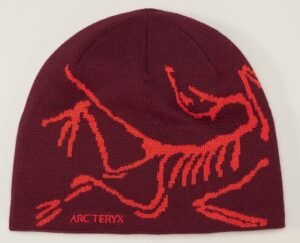
This blend costs $60, runs snug (check the fit before buying if you have a larger head), and features a fairly loose knit that allows the top third to breathe. Not ideal for gusty ridge hikes, but the material combination works well for most mountain use.
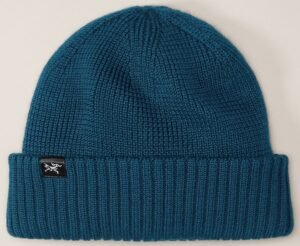
The Mallow Toque uses a similar 50/50 Tech Wool, merino, and recycled polyester blend in a chunky, double-layered construction. The low-profile seamless crown sits tight on your head, transitioning from slopes to the city without looking too technical.
Pick Based on Activity
Running and high-output activities need merino. The Rho Toque's merino-elastane construction wicks sweat, dries quickly, and resists odor across multiple hard sessions. Temperature regulation matters when you're pushing tempo on cold mornings.
Resort skiing and snowboarding are well-suited to recycled polyester. The Grotto's heavyweight construction provides maximum warmth during lift rides, handles moisture as you transition from outdoor cold to indoor warmth, and survives being stuffed in pockets all day. Under a helmet, thinner merino wool, such as the Rho, works better.
Hiking and backpacking benefit from merino-acrylic blends. The Classic Beanie breathes on ascents, insulates at summits, resists odor across multiple days, and packs small. The acrylic durability matters when you're cramming gear in and out of a pack repeatedly.
Casual and urban wear comes down to preference and budget. The Bird Head Toque's iconic look makes it a streetwear staple, but that 50/50 blend costs $60. If you want lower maintenance and easier care, full synthetic options like the Bird Word provide similar aesthetics at the same Price with less washing anxiety.
Watch for Counterfeits
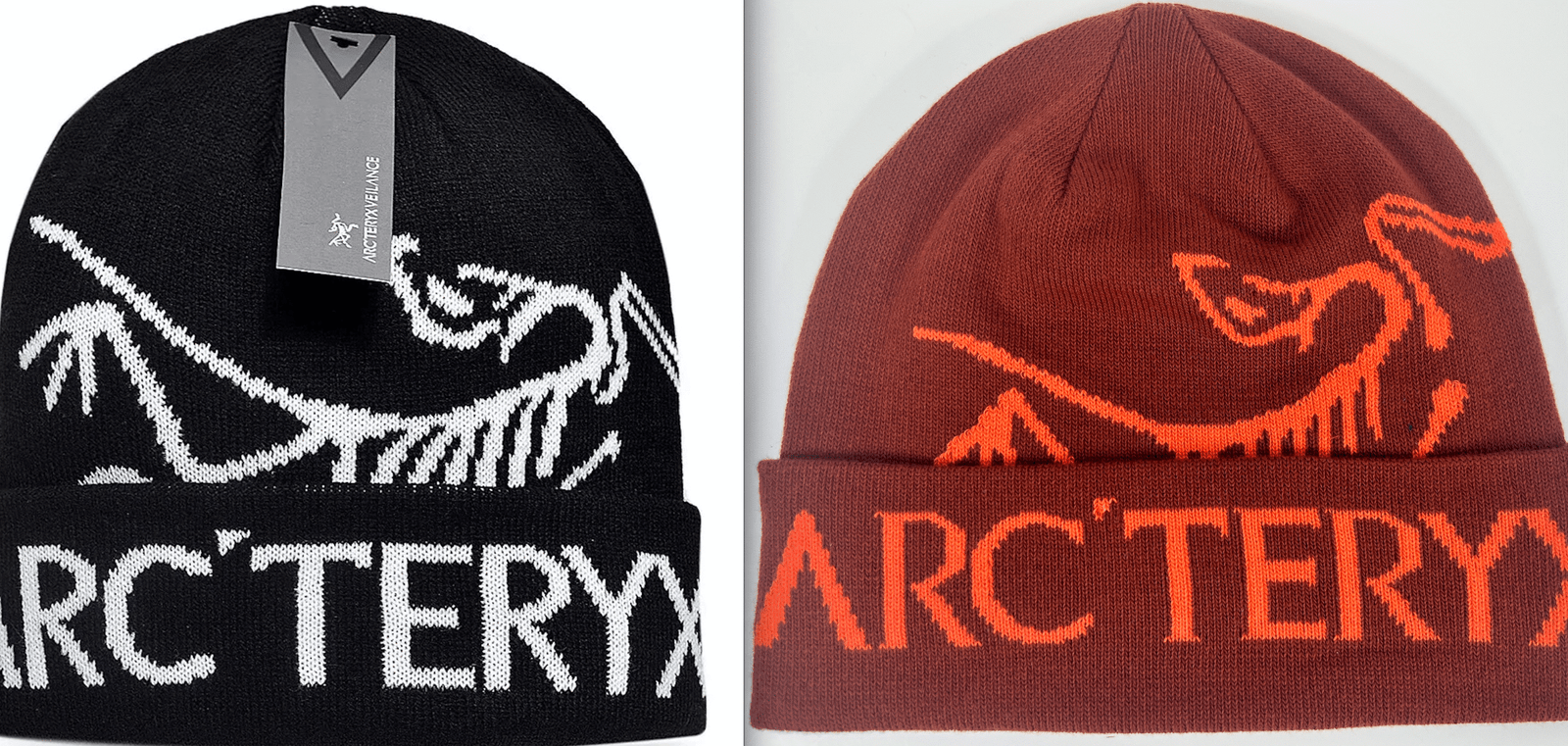
Material quality drops hard in counterfeit beanies. Fakes use inferior synthetic blends that don't perform, cheap wool that itches, and construction that falls apart quickly. The Bird Head Toque, Bird Word Toque, and Grotto Toque get faked more than any other Arc'teryx beanies. Check my Real vs Fake Arc'teryx Beanie guide before buying from unlicensed retailers or secondary markets.
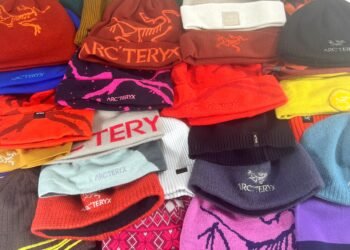
Arc'teryx blends these materials intelligently. Check the full list of Arc'teryx Beanie and Toque Models to see material breakdowns across the entire lineup from early 2000s acrylic originals to current recycled polyester options.